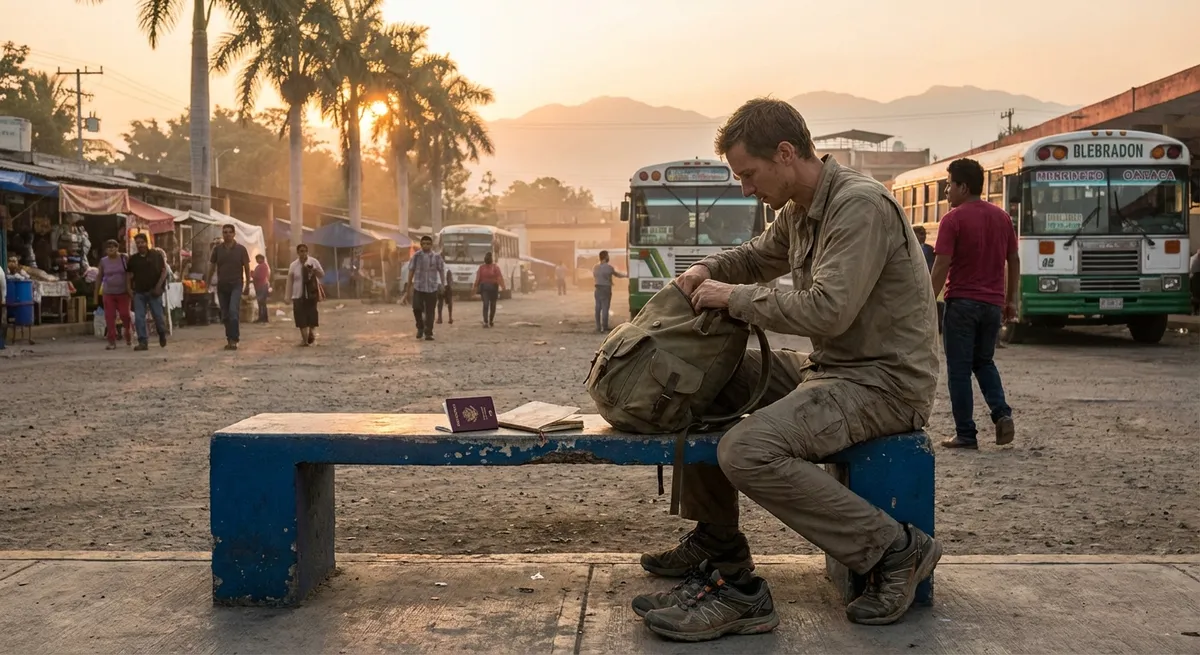
The difference between a “fun trip” and a sustainable nomad life is what happens between flights: the boring, repeatable systems that keep you sane when Wi‑Fi is garbage, borders are strict, and clients still expect results. This isn’t about bucket lists; it’s about how to move through countries with your work intact, your stress contained, and your gear where you actually need it.
Below are five core travel habits that hold up in real conditions—not just in Instagram captions.
Build an Arrival Routine You Can Run on Autopilot
Most people treat every new country like a fresh start. Nomads who last treat every arrival like a checklist.
Before you land, have a simple, repeatable arrival script you follow in every new place. It might look like this: clear immigration → withdraw small amount of local cash → buy local SIM or eSIM activation → confirm transit options → message key contacts (client, partner, host) that you’ve landed → snapshot key documents and addresses offline.
The goal isn’t perfection; it’s removing decision fatigue when you’re tired, disoriented, and maybe jet-lagged. Decide in advance: will you default to airport Wi‑Fi + Uber/Bolt/Grab, or do you always head to the official taxi stand? Will you always book the first two nights near a metro line, or always walking distance to a major grocery store?
Over time, turn this routine into a note in your phone with separate sub-checklists for flights, buses, and land borders. When chaos hits—canceled flights, missing bags, surprise visa checks—you’ll already have 80% of the basics handled, which gives you the bandwidth to solve the 20% that went sideways.
Treat Visas and Entry Rules Like Part of Your Job
Nomads get burned not by exotic risks, but by boring ones: overstay fines, denied boarding, and “sorry, you can’t get on this flight” at the gate. If your income depends on crossing borders, understanding entry rules is not optional admin—it’s core work.
Before you commit to a country, double‑check:
- Visa requirements for your passport (tourist, digital nomad, business, etc.)
- How long you can stay and whether extensions are realistic or a bureaucratic nightmare
- Proof-of-funds or onward ticket requirements at the border
- Whether your working situation technically violates “tourist” status
Use official sources first: government immigration pages, embassy sites, or state department travel advisories. Nomad forums and Facebook groups are useful, but they’re not authoritative—and immigration officers don’t care what someone in a Telegram chat told you last week.
Create a simple calendar system: enter your entry date, legal exit date, and a “decision point” 2–3 weeks before your visa expires. That reminder is when you decide: extend, border run (if legal and sensible), or move on. Treat that reminder like a hard work deadline, not a “maybe I’ll think about it.”
Design Accommodations Around Work, Not Just Vibes
Plenty of places look amazing in photos and are completely unusable for real work: echoey concrete lofts, beach huts with 2 Mbps Wi‑Fi, or cafés that shut off the music only to turn on the blender. If your income relies on your laptop, your accommodation is basically your office lease—treat it that way.
Before you book, ask hosts specific, testable questions:
- “What is the typical upload and download speed? Can you send a speed test screenshot from mid‑day?”
- “How many routers are in the building? Is the connection shared with other units or dedicated?”
- “Are there any regular power cuts? If so, how long and how often?”
Don’t rely solely on “Wi‑Fi included” or even a single 5‑star review. Read the 3‑star reviews carefully; that’s where people mention thin walls, barking dogs, nightclub noise, or random construction.
Layout matters too. If you take calls, you need at least one reasonably quiet corner with a door you can close or a layout that doesn’t force you to work from bed. Chairs and tables matter more than décor: your back will not forgive you for three months of bar stools and beanbags.
If possible, book short (3–5 nights) first in a new city. Once you’ve scouted local cafés, co‑working spaces, and neighborhoods, then move to a longer‑term stay that actually fits the way you work—not just how you imagined you’d work on the flight over.
Always Have a “No-Internet, No-Power” Backup Plan
Assume, at some point: the power will go out, the Wi‑Fi will die, and your hotspot will have one bar of sad 3G. The nomads who keep their clients and gigs are the ones who plan for that before it happens.
Build a simple offline‑friendly workflow:
- Sync key project files locally (not just in the cloud).
- Keep an offline password manager and an offline note app with key info (passport number, insurance, immigration stamps, booking codes).
- Write or outline work in tools that don’t need a live connection, then sync when you’re back online.
Battery is a bigger constraint than bandwidth. If you rely heavily on your laptop, consider a lightweight power bank that can handle at least one full charge for your phone and partial for your laptop. When you know a storm or outage is likely (common in many tropical or rural areas), charge everything to 100% in advance.
Communication is part of your backup plan. Have a short “connectivity issue” template ready for clients: what’s happening, what you’ve already done, what they can realistically expect from you in the next 24–48 hours. Sending that message early—while you still have a signal—buys you goodwill and avoids panicked follow‑ups.
The goal isn’t to be invincible; it’s to turn a potential crisis into a minor delay you’ve already accounted for.
Move Slower Than Your FOMO Tells You To
The fastest way to burn out is to treat remote work like an endless vacation with a laptop attached. Constant movement destroys the two things your work life needs: predictable focus blocks and a somewhat stable mental baseline.
A practical rule of thumb: if you’re working full‑time, change countries no more than once a month, and cities no more than every 2–3 weeks—at least at the beginning. Every move costs you a full day of productivity (often two), a chunk of money, and a week of lower focus while your brain reorients to new streets, sounds, and routines.
Slow travel also gives you leverage with accommodation. Monthly rentals usually unlock better deals, more space, and more “liveable” setups—full kitchens, decent desks, quieter buildings. You’ll spend less time packing and unpacking, and more time actually living in a place instead of passing through it.
FOMO will push you to cram in “just one more city” or “two countries in 10 days.” That’s fine for a holiday, not for a sustainable work life. Pick a smaller region—one country or neighboring ones—and work your way through slowly. You’ll build relationships, find “your” café or co‑working, and start to understand the local rhythm instead of constantly adjusting to a new one.
The digital nomads who still enjoy the lifestyle after five years usually have one thing in common: they move slower than they thought they would at the start.
Conclusion
Digital nomadism looks wild from the outside, but the part that actually works is boring: checklists, routines, backup plans, and a willingness to move slower than your Instagram feed. Treat border rules like part of your job, choose housing like you’re signing an office lease, and assume the internet will fail you at the worst moment. If you build those habits early, the travel becomes lighter, not heavier—and the “nomad” part stops fighting your work and starts quietly supporting it.
Sources
- U.S. Department of State – Country Information - Official entry/exit, visa, and safety information for countries worldwide
- UK Foreign, Commonwealth & Development Office – Foreign Travel Advice - Government travel guidance, including visa rules and local conditions
- International Air Transport Association (IATA) – Timatic (via Emirates example) - Airline-accessed visa and passport requirement database used at check‑in
- World Bank – Worldwide Broadband Data - Comparative data on internet penetration and broadband access by country
- Centers for Disease Control and Prevention – Travelers’ Health - Health, vaccination, and preparation advice for travelers and long‑term stays
Key Takeaway
The most important thing to remember from this article is that this information can change how you think about Travel Tips.