If today’s headlines about “25 Travel Gadgets For Anyone Who Is Already Mentally Preparing For The Chaos Of Holiday Travel” tell you anything, it’s this: the airports are about to be a zoo again. Airlines are already warning about record passenger numbers, TSA lines are spilling into parking garages in some hubs, and every brand under the sun is pushing “must‑have” gadgets to make it all hurt less.
As digital nomads, we don’t get the luxury of “just surviving” holiday travel—we still have to hit deadlines, take calls, and protect our gear while squeezed between a screaming toddler and a delayed connection. You don’t need 25 shiny gadgets. You need a tight, battle-tested system that works when Wi‑Fi dies, flights slip, and your patience runs on fumes.
Below are five essential, real-world tips I’ve refined over years of traveling through peak-season chaos with a laptop as my paycheck.
Build a “Delay-Proof” Work Setup Before You Step Into the Airport
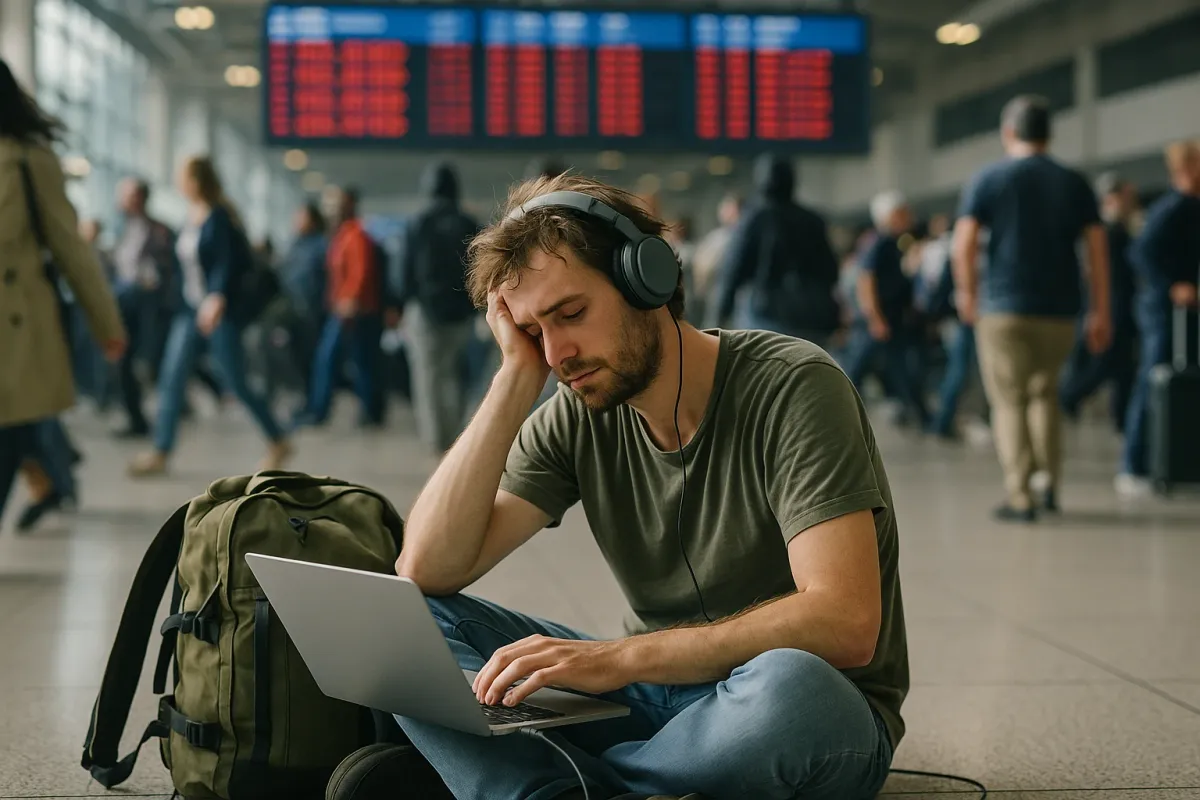
Holiday travel headlines always show the same photo: someone on their laptop camped on the floor beside a crowded gate. That’s who you become when you treat the airport as “dead time” instead of a mobile office you’ll definitely need.
Before your next trip, set up a lean, delay-proof system you can run from a single seat and one bag. Make sure your core tools work offline: sync critical Google Docs for offline access, export must-have Notion pages to PDF, and enable offline mode in apps like Slack or Teams for message drafts. Download any reference files you’ll need for the next 48 hours in case Wi‑Fi craters. Keep a small packing cube that’s your “work brain”: laptop, charger, compact extension cord, USB-C hub, backup SSD, and noise-cancelling earbuds stored together. That cube lives in your personal item, never in a carry-on that might get gate-checked. The nomads who keep earning during a 6‑hour delay are the ones who expect it and design for it.
Treat Power Like a Limited Currency (Because In Airports, It Is)
Now that everyone is traveling with phones, tablets, laptops, Nintendo Switches and smartwatches, outlets are the new scarce resource. Brands in that viral gadget list are pushing high-capacity power banks for a reason—planes are packed, and many still don’t have working seat power despite what the website promises.
Move away from the mindset of “charge when empty” to “top up whenever you can.” Any time you’re sitting for more than 20 minutes—check-in, immigration, gate, café—plug in. Carry at least one high-output power bank that can fast-charge a laptop (look for 65W+ USB-C PD), not just your phone. Bring a short three-outlet or two-outlet travel power strip; it’s the easiest way to “negotiate” space at a crowded charging station, because you can offer to share. Pack ultra-short cables for tight spaces and one long cable (2m+) for awkward airport seating layouts. Airplane USB ports are often underpowered and unreliable—treat them as trickle chargers, not lifelines. You don’t control departure times, but you do control whether your battery dies at 10% or 70%.
Design Your Flight Schedule Around Work, Not Just Price
Those “chaos of holiday travel” pieces usually focus on gadgets, but the biggest difference in your stress level comes from how you book, not what you buy. As a nomad, your schedule is your income. Build flight plans that protect the hours you actually need to be online.
If you have time-sensitive calls or live meetings, avoid same-day travel if humanly possible. Fly the night before and work from a café or coworking space near your accommodation, not from a departure lounge with unstable Wi‑Fi and boarding announcements every 30 seconds. When you can’t avoid same-day travel, structure your itinerary so key work blocks happen on the ground: early-morning work sprint → mid-day flight → late-afternoon check-in and async tasks. Leave generous connection times during peak seasons—2.5–3 hours for international connections is not overkill when winter storms or baggage meltdowns hit. Use flight-tracking apps (like Flighty, TripIt Pro, or your airline app) and set alerts for delays so you can update clients or your team early, not when everyone’s already stressed. Your calendar should reflect your likely travel performance, not your optimistic fantasy of it.
Use Airport Lounges Strategically—Even If You’re Not Fancy
The rise in holiday-travel gadget guides parallels something else: a surge in people discovering day passes, lounge networks, and credit-card perks. For a digital nomad, an airport lounge isn’t luxury; it’s a productivity insurance policy.
You don’t need to be a business-class warrior to use them. Programs like Priority Pass, DragonPass, or credit cards from Amex, Chase, and Capital One often include lounge access. Many airlines also sell one-time passes via their app or desk, especially during peak seasons. Do the math: if you’re facing a 4‑hour delay, paying $35–$60 for calmer space, faster Wi‑Fi, food, and guaranteed outlets may save you a full billable day of work. When choosing a lounge, prioritize: reliable Wi‑Fi, quiet zones, and seating near outlets over fancy buffets. Check recent reviews on Google Maps or LoungeBuddy; holiday crowding can turn some lounges into overstuffed waiting rooms. If you know you’ll have a heavy work session, pick a lounge closer to your departure gate but not right next to the noisiest hubs (main security, kids’ zones, or massive central atriums). Think of lounges as temporary coworking spaces that happen to be inside the airport security bubble.
Carry a “Hard Reset” Kit for When Everything Goes Sideways
Those holiday chaos articles are funny until you’re the one sleeping under fluorescent lights at 2 a.m. after a mass cancellation. When that happens, what separates seasoned nomads from exhausted tourists is a small, deliberately packed crisis kit designed for one objective: making you functional for 24–36 hours, anywhere.
Your hard-reset kit should live in your personal item, not your main carry-on. Include a lightweight change of clothes, compact toiletries in a clear bag (toothbrush, toothpaste, face wipes, deodorant, any essential meds), and a packable microfiber towel. Add a simple eye mask and soft earplugs; they’re the difference between zero sleep and two hours of real rest on an airport floor or in a basic hotel. Include high-density, non-messy snacks—nuts, protein bars, dried fruit—so a closed restaurant or long queue doesn’t wreck your focus. Digitally, keep your key documents (passport, visas, onward tickets, insurance, hotel bookings) backed up in at least two places: a secure cloud folder and an offline folder on your phone. When the airline app crashes, the ticket counter is overwhelmed, and everyone is panicking, you’ll have everything you need in one place to rebook, check in, and keep working.
Conclusion
The current wave of “holiday travel chaos” content is right about one thing: this season will be busy, loud, and unpredictable. But for digital nomads, the answer isn’t buying every trending gadget—it’s building a system that holds up when airports are overcrowded, flights slip, and Wi‑Fi collapses at the worst possible moment.
Plan your work setup for delays, treat power like currency, schedule around your real work patterns, use lounges as tools not trophies, and keep a small hard-reset kit ready for the night everything goes wrong. Do that, and you won’t just survive the upcoming travel surge—you’ll stay billable, calm, and one step ahead while everyone else is still wrestling with their brand-new travel toys.
Key Takeaway
The most important thing to remember from this article is that this information can change how you think about Travel Tips.