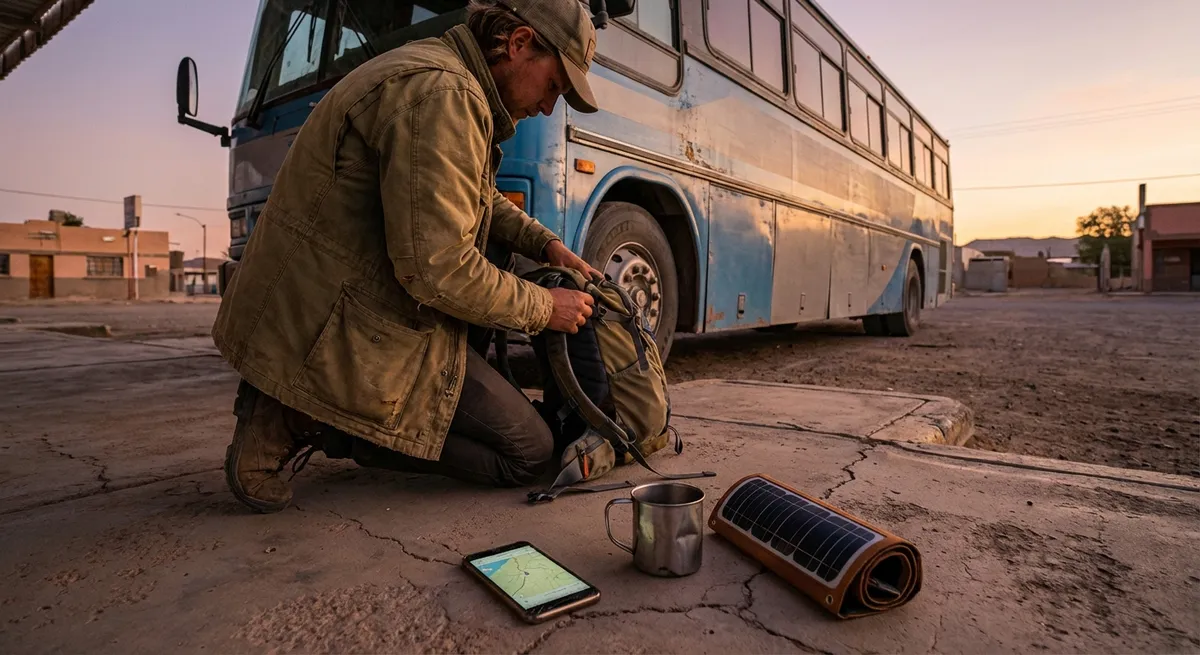
There’s a big difference between taking your laptop on vacation and actually living as a digital nomad for years. The internet is full of glossy shots of laptops on beaches; what it doesn’t show is the missed deadlines, burned-out credit cards, and months wasted fixing preventable problems. This guide is built from the “unsexy” side of nomad life—the habits, systems, and decisions that keep you moving without your work, health, or money falling apart.
1. Treat Your Time Zones Like a Serious Logistics Problem
Most new nomads underestimate time zones until they lose a client because they “thought the meeting was tomorrow.” If you’re working across continents, time management is less about productivity hacks and more about operational discipline.
Anchor your week around your clients’ or employer’s time zone, not your current city. Use a primary calendar set to their time zone, and only view local time as a translation layer. Before you book a flight or train, run your proposed schedule through a time zone converter and specifically check what happens to your key meetings. Crossing the International Date Line, daylight saving shifts, and countries that don’t use DST can quietly wreck your calendar.
Build a simple rule set you don’t break: no same-day travel on days with critical calls; no late-night calls on consecutive days; and at least one “protected” day per week with zero client meetings to absorb delays or emergencies. Use tools like Google Calendar’s multiple time zone view and schedule links (Calendly, SavvyCal, etc.) to remove guesswork. The goal isn’t to be always available—it’s to be predictably available.
2. Design a Money System That Survives Delays, Fees, and Bad Weeks
Romanticizing “cheap countries” is how people end up stranded when a card gets declined or a client pays late. The financial reality of nomad life is simple: you need buffers, backups, and boring systems that still work when things go sideways.
Start with redundancy: at least two bank accounts, two cards from different issuers, and one low-fee international account (like Wise or Revolut, depending on where you’re from). Never travel with only one working card. Keep one card as a “deep backup” separate from your daily wallet—if you lose your bag, you still have options.
Next, build a real runway. A good working baseline is three months of living expenses in easily accessible cash or equivalents, and another three months in a slower-access account. That’s not a luxury; it’s what lets you say “no” to terrible clients, take unpaid time when sick, or handle surprise flight changes.
Be intentional about fees and conversions. Use ATMs that refund or minimize foreign transaction fees, and withdraw larger amounts less frequently instead of constant small withdrawals. Store your budget in your home currency so you’re not constantly mentally converting, but track categories in local currency to understand your real burn rate. You don’t need a fancy budgeting app—just something you’ll actually use weekly and review monthly.
3. Build a Health Baseline Before You Need It
Nomad life quietly punishes people who ignore their bodies. New foods, long flights, bad chairs, unstable sleep, and stress all hit at once. You don’t need a “biohacking regimen”; you need a realistic baseline that survives cheap apartments and random time zones.
Before you start moving seriously, get your core health admin done at home: a full check-up, dental exam, necessary vaccines, and copies of key medical records. Know how you’ll access healthcare abroad: international insurance, local coverage, or a travel-specific plan. Read what your policy actually covers—especially around pre-existing conditions, emergency evacuation, and mental health.
On the road, pick simple, portable habits and protect them. Think: one basic daily movement routine (bodyweight, walking, or bands); one sleep rule (no screens an hour before bed, or a fixed wind-down ritual); and one non-negotiable nutrition rule (e.g., protein at every meal, or no sugary drinks during work hours). It doesn’t have to be perfect; it has to be repeatable in hostels, Airbnbs, and budget hotels.
Learn where people in a new city actually go for care before you’re sick. Search for reputable clinics, hospitals, or English-speaking doctors early, not from a hostel bed at 2 a.m. Keep a compact health kit: basic meds you know your body handles well, electrolytes, and anything critical you personally rely on. Good health on the road is less about discipline and more about removing friction so the right choice is the easy one.
4. Choose Cities for Infrastructure, Not Just Instagram
The fastest way to hate nomad life is to pick destinations purely because they look good online. Cool cafés and cheap street food don’t matter if your video calls constantly drop or you’re spending half your day figuring out basic logistics.
Evaluate a city like a remote operations hub. Look for consistent, fast internet—not just in coworking spaces, but in average apartments and cafés. Research how often power cuts happen, how reliable mobile data is, and whether backup options exist (coworking spaces with generators, 24/7 cafés, etc.). A city with “okay” Wi‑Fi but a solid coworking ecosystem can be far better than one with legendary speeds but no dependable backup spots.
Check cost of living using multiple sources, not just one popular blog post. Handle the boring stuff up front: visa rules, length of stay, extension options, and exit requirements. Some countries demand proof of onward travel or specific insurance, and some “visa runs” are no longer tolerated.
Then layer lifestyle on top: walkability, safety at night, access to groceries and basic services within a 10–15 minute radius, and at least one neighborhood where you can live and work without constant long commutes. If you’re staying a month or more, proximity often matters more than “best neighborhood” hype. You want a place where you can fall into a rhythm quickly—not spend your first two weeks learning how to cross town for everything.
5. Build a Social Structure That Doesn’t Depend on Luck
Burnout on the road rarely comes from work alone; it comes from drifting socially. New city, new people, repeat—and eventually, that rotation gets thin. The solution isn’t forcing friendships; it’s building a loose but reliable social structure wherever you land.
Decide ahead of time how you prefer to meet people: coworking spaces, hobby groups, language exchanges, fitness classes, or professional meetups. Then make it a part of your arrival routine. In a new city, your first 72 hours should include at least one intentional social action: joining a coworking space, attending a meetup, signing up for a gym, or checking out a recurring event.
Keep relationships alive with low-friction habits. A monthly check-in message to a handful of people you care about will keep your network warm without feeling forced. Maintain one or two ongoing group chats (friends back home, other nomads, or colleagues) so you’re not rebuilding your support system from zero each month.
And be honest with yourself about loneliness. If you’ve gone two weeks without a real conversation that isn’t small talk or work-related, that’s a signal—not a personal failure. Use that signal to adjust: longer stays, more rooted routines, or even returning to a “base city” periodically. Sustainable nomad life isn’t about nonstop movement; it’s about cycling between exploration and stability in a way your energy and relationships can handle.
Conclusion
Long-term nomad life is less about chasing freedom and more about managing constraints well: time zones, money, health, infrastructure, and relationships. When those five foundations are solid, everything else—the sunsets, the food, the new cities—becomes easier to enjoy without that constant background anxiety.
You don’t need to nail everything at once. Pick one weak area—maybe your finances, maybe your time zones, maybe your health—and upgrade that system first. The goal isn’t to be the perfect digital nomad; it’s to still want this life a few years from now, with enough stability to choose where you go next instead of being pushed there by chaos.
Sources
- U.S. Department of State – Country Information – Official guidance on safety, visas, health, and entry requirements for countries worldwide
- Centers for Disease Control and Prevention – Travelers’ Health – Up-to-date vaccine recommendations, health notices, and travel health advice by destination
- World Health Organization – Travel Advice – General health recommendations, disease information, and guidelines for staying healthy while traveling
- Wise – Guide to Managing Money Abroad – Practical overview of fees, currency exchange, and using multiple accounts or cards internationally
- Google Calendar Help – Work Across Time Zones – Instructions and tips for managing events, multiple time zones, and scheduling across regions
Key Takeaway
The most important thing to remember from this article is that this information can change how you think about Nomad Life.