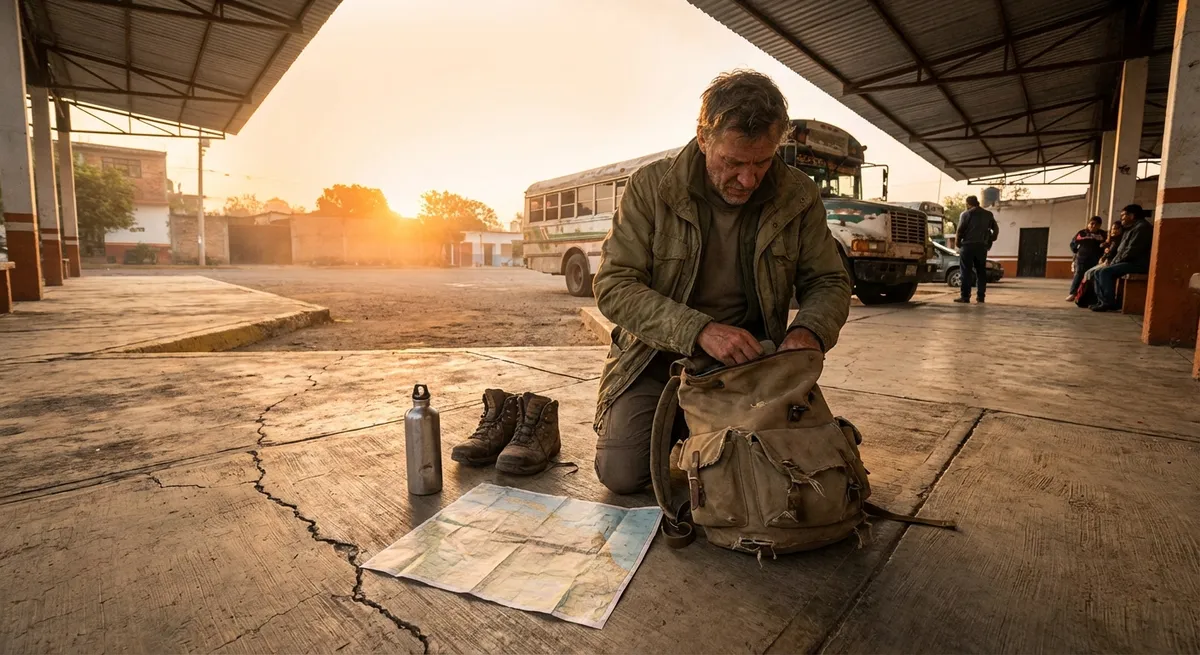
Most people see the Instagram version of nomad life: laptops by infinity pools, sunsets, and “passive income.” Anyone who’s actually tried working on the road knows it’s a lot messier—time zone headaches, housing roulette, flaky Wi‑Fi, and the constant pressure to “make it work” from anywhere. This guide strips away the hype and walks through five grounded, field-tested habits that help digital nomads stay stable enough to actually live this way long term.
Build a “Landing Plan” for Every New City
Winging it sounds romantic until you’re hunting for Wi‑Fi, food, and SIM cards after a red-eye flight with meetings in four hours. A simple landing plan turns that chaos into a repeatable routine.
Before you arrive, pin three things on a map app: a reliable workspace (coworking or café), a grocery store or market, and a backup accommodation option in case your booking goes sideways. Look up how to get from the airport to your neighborhood with at least one offline option (screenshot directions or save them in offline maps).
Sort connectivity before wheels touch down: know which eSIM or local carrier works best in that country, and download the necessary apps in advance. If you’re arriving late at night, avoid “we’ll figure it out when we get there”—book at least the first 2–3 nights somewhere simple, central, and boringly reliable.
The goal isn’t to optimize every detail; it’s to remove the first 24–48 hours of uncertainty so your brain is free for work, not survival mode. After you’ve done this in a few countries, your landing checklist becomes muscle memory.
Treat Your Work Hours Like Non‑Negotiable Appointments
Nomad life collapses fast when work becomes “whenever I can fit it in.” The people who last build a work schedule before they build a social or travel schedule, then actually defend it.
Start by mapping your employer or clients’ core overlap hours—when you genuinely need to be reachable. Build your daily work block around those, then commit to it like you would a doctor’s appointment. If friends want to plan a day trip that cuts straight through your most productive hours, say no or move the trip, not your work.
Use a visible, written schedule, even if it’s just a note on your phone: start time, deep work block, admin block, and shutdown time. Aim for consistency within each location, even if you have to change it every time you jump a few time zones.
This isn’t about rigidity; it’s about preserving your earning power. Show up on time, meet deadlines despite location changes, and your clients or boss will start to care a lot less about where you are—as long as your work is predictable and boringly reliable.
Design a Simple Money System That Survives Chaos
Travel magnifies every weak point in your financial habits. One unexpected medical bill, a client paying late, or a lost card can wreck your plans if you’re running on thin margins and improvisation.
Build a basic “nomad safety stack”:
- A 3–6 month emergency fund sitting in an account you don’t touch
- At least two debit cards and one credit card from different banks
- Access to a low-fee international banking option or digital bank for ATM withdrawals and currency conversions
On the earning side, diversify where you can. That doesn’t mean ten side hustles, but at least avoid relying on a single client or a single platform. When you’re on the road, payment delays hit harder; spread the risk so one hiccup doesn’t force you to fly home early.
Finally, keep a simple budget that reflects reality: flights, visas, coworking, SIMs, insurance, and unexpected “country switch” costs. High-season rent and last-minute flights will eat your buffer faster than you expect. If money is tight, downgrade your destination, not your safety or your ability to work.
Choose Accommodation Like a Portable Office, Not a Vacation
The fastest way to burn out is treating every stay like a holiday rental instead of the place you’ll be working from for 6–10 hours a day. “Looks cute on Airbnb” is a terrible selection filter when your income depends on the space.
When you browse listings, think like a project manager:
- Desk and chair: Is there a real table at workable height, not a bar counter or coffee table?
- Noise: Check reviews for mention of construction, thin walls, parties, or street traffic. If reviewers mention “lively neighborhood,” assume noise.
- Light and ergonomics: Can you work without straining your eyes all day? A small, dark room with bad lighting gets old fast.
- Connectivity: Don’t trust “fast Wi‑Fi” claims. Look in reviews for real numbers (speed tests) or at least consistent praise. When in doubt, message the host and ask them to run a speed test and send a screenshot.
Book shorter stints at first until you know the building and area. Once you’ve tested the space for a week, then extend for a month if it works. You’re not looking for perfect—just “good enough that work won’t be a daily struggle.”
Build a Local Routine Before You Chase Every Experience
The early rush of a new country pushes a lot of nomads into a pattern of constant activity and zero grounding. That works for a few weeks. When you stretch it into months, your energy, focus, and mental health pay the price.
Aim to establish a minimum viable routine within the first week:
- One regular workspace you go to most days
- A consistent start time for work, regardless of yesterday’s nightlife
- A simple weekly structure: laundry day, reset day, and a rough plan for errands and workouts
Then layer in local life in small, repeatable ways: a café you visit often enough that staff recognize you, a gym or class, a weekly language meetup. These regular touchpoints make each city feel like a temporary home instead of a series of disconnected hotel rooms.
You’ll still have room for weekend trips and tourist days—but you’ll be doing it from a stable base instead of constantly sprinting until you’re forced to crash.
Conclusion
Long-term nomad life isn’t about hacking flight prices or collecting the most countries. It’s about building a set of boring, dependable habits—landing plans, protected work hours, resilient money systems, intentional accommodation choices, and local routines—that make everything else possible.
The people who last aren’t the ones with the flashiest photos; they’re the ones who quietly show up for their work, protect their health and finances, and treat each new city like a place to live, not just a backdrop. Start with these five habits, refine them with your own experience, and you’ll give yourself a real shot at a nomad life that can actually go the distance.
Sources
- [U.S. Department of State – Country Information](https://travel.state.gov/content/travel/en/international-travel/International-Travel-Country-Information-Pages.html) - Reliable pre-trip details on safety, entry requirements, and local conditions
- [World Health Organization – International Travel and Health](https://www.who.int/teams/environment-climate-change-and-health/travel-health) - Guidance on staying healthy while traveling long term
- [Wise – Guide to International Banking and Travel Money](https://wise.com/help/articles/2961239/a-guide-to-travel-money) - Practical overview of managing money, cards, and fees abroad
- [Nomad List – City Data and Internet Speeds](https://nomadlist.com) - Community-sourced data on cost of living, Wi‑Fi quality, and livability for remote workers
- [Harvard Business Review – How to Make Remote Work Actually Work](https://hbr.org/2020/11/how-to-make-remote-work-work-for-your-team) - Research-backed advice on structuring remote work effectively
Key Takeaway
The most important thing to remember from this article is that this information can change how you think about Nomad Life.