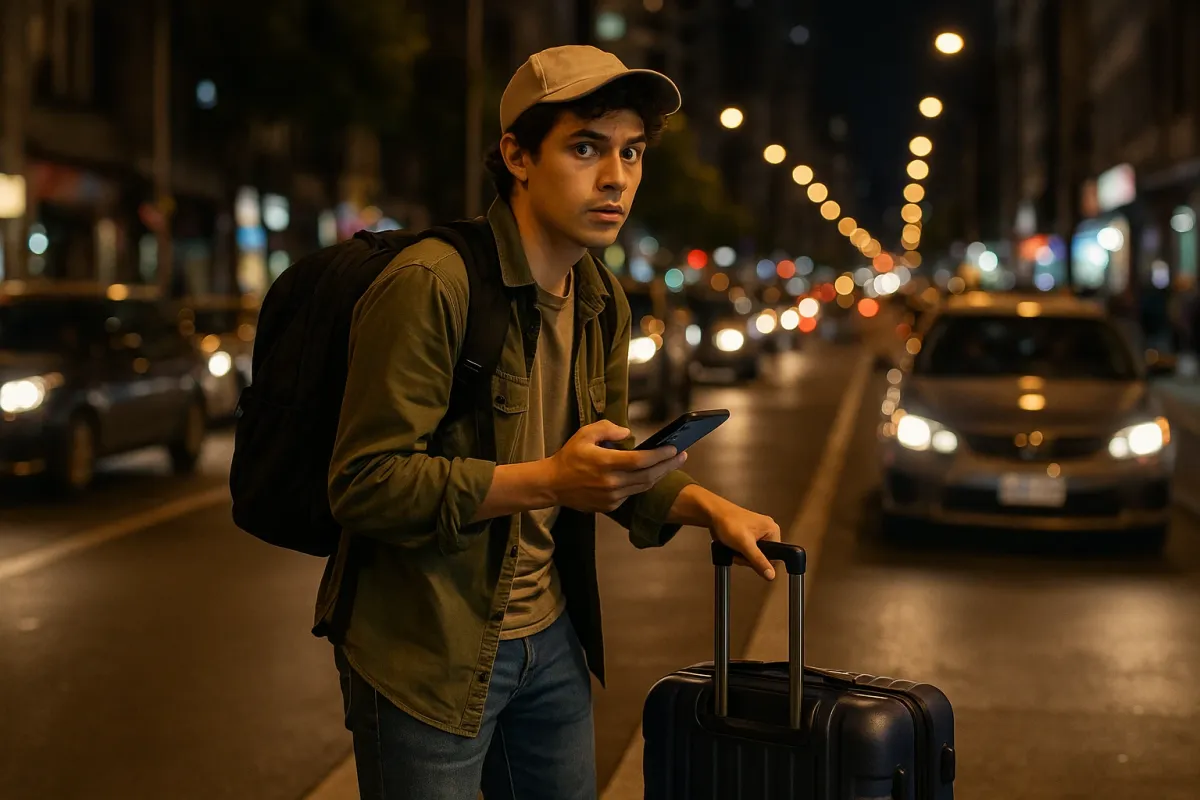
Uber rides used to feel like a travel luxury. Now, between viral “overheard in Uber” posts, safety complaints, and drivers sharing their own horror stories, they’re just another unpredictable part of the road. That doesn’t mean you should ditch rideshares—if you’re a digital nomad, they’re often the fastest, cheapest way to get from a co-working space to your Airbnb, or from a late-flight arrival to a safe bed.
But with more people publicly sharing what really happens inside those cars—on Instagram accounts collecting “overheard in Uber” stories and on X and Reddit threads—travelers are finally admitting what seasoned nomads already know: your safety, comfort, and sanity in rideshares depend heavily on how you handle the ride.
Below are five field-tested habits I use in cities from Lisbon to Bangkok to Mexico City to keep rideshares smooth, safe, and efficient—so you can focus on work, not on wondering why your driver just pulled into a dark alley at 1 a.m.
Treat Rideshares Like Public Space, Not Private Space
The rise of “overheard in Uber” Instagram accounts is a reminder: nothing you say in that car is truly private. Drivers share stories. Passengers record audio. Some even post clips to TikTok when things get weird. As a nomad, protecting your identity and routine matters more than a funny story.
In practice, this means you don’t overshare: avoid announcing your full name, your long-term address, or the fact that you’re traveling alone for months. If you’re on a client call, keep details vague—no need to spell out company names, budgets, or your real-time location. When a driver gets too curious (“So you live here alone?” or “How long are you staying in this neighborhood?”), I default to vague but friendly answers: “Just here for a short work trip,” or “Meeting friends later.” You’re not obligated to tell the truth; you’re obligated to stay safe. Think of the car like a café with thin walls: talk, but don’t broadcast your life story.
Make “Pre-Ride Checks” a Non-Negotiable Habit
A lot of the viral stories about bad rides—wrong pickups, overcharges, unexpected detours—start before the car even moves. Most platforms like Uber, Lyft, Bolt, Didi, and Grab have solid safety tools today; the gap is usually user habits, not app features.
Before you open the door, check three things every single time: plate, car model, and driver name/photo. Don’t rush just because a car stopped roughly near you—look closely, especially in crowded airports or nightlife areas where scammers hover. I also do a 3-second route check: when the ride starts, I glance at my own map app (Google Maps, Apple Maps, or Maps.me offline) to confirm that the general direction matches. If I’m in a new or higher-risk city, I turn on “Share trip” in the app and send it to a friend or partner. Do it so often it becomes muscle memory: plate, driver, route, share. It adds maybe 20 seconds, and it’s the cheapest safety upgrade you’ll ever make.
Use Local Rideshare Culture to Your Advantage
Those “overheard in Uber” collections also show how wildly the rideshare experience varies by country. In some places, drivers are chatty and curious; in others, silence is the default. In some cities, Uber is considered a premium service; in others, it’s the budget option competing with local apps like Ola, Gojek, or inDrive. As a nomad, learning the local “rules of the road” will save you money and headaches.
Before you land somewhere new, search “[city name] Uber vs taxi Reddit” or check recent threads in digital nomad Facebook groups. You’ll often find patterns: maybe regular taxis are safer than apps late at night, or maybe local drivers strongly prefer cash rides on a specific platform. In places like Bali or parts of Mexico, there are still turf tensions between taxis and rideshares—knowing where pickups are tolerated (and where they’re not) can keep you out of awkward or hostile confrontations. Download the local rideshare apps too, not just Uber. I’ve had entire months where Uber was useless, but a regional app with better coverage and pricing made the city effortless to navigate.
Turn Awkward Small Talk into Local Intel
If there’s one upside to all those “Uber confessions” and “overheard” posts, it’s this: drivers know everything about what’s really happening in a city. Instead of letting the ride fill with forced small talk, use it like a short, informal briefing—the kind you’ll never get from a glossy blog post.
Ask targeted, practical questions: “Where do people actually go to work on laptops around here?” gives you better leads than any old ‘Top 10 Cafés’ list. “Is this neighborhood safe to walk home after 10 p.m.?” will give you real-time, on-the-ground context that guidebooks don’t. I’ve found apartment deals, coworking spaces, hidden lunch spots, and even learned which ATMs to avoid just by asking three or four smart questions in a 20-minute ride. You don’t need to force conversation; just shift it away from your personal life and toward the city. You walk out of the car with more than just a completed trip—you get actual tactical intel for your stay.
Build a Backup Plan for When Rideshares Fail
The internet loves to share the worst-case Uber stories—driver app crashes, canceled rides at midnight, “disappearing” surge prices—and those posts are trending precisely because they’re common. If you’re running a business from the road, missed flights or late client calls cost real money, not just annoyance. You need a fallback, not blind faith in an app.
I always keep at least one non-app option ready in every city: a reliable local taxi number from the hotel front desk or host, a saved walking route, or a public transit plan as Plan B. If I know I’ll be moving around during rush hour or after bars close (classic surge windows), I pad in extra time. For airport departures, I book earlier rides than I think I need—especially in cities where traffic or cancellations are common. I also keep a small “go bag” ready: portable charger fully topped up, a bit of local cash for taxis or buses, and screenshots of crucial QR codes or tickets. You can’t control how many drivers accept your ride at 2 a.m.—but you can control whether that’s the only lifeline you’ve got.
Conclusion
The explosion of “overheard in Uber” stories hits a nerve because every traveler has had one of those rides: too personal, too sketchy, too chaotic, or just too weird. As a digital nomad, you can’t afford to treat rideshares as an afterthought—they’re often the only thing standing between you and a missed deadline, a bad neighborhood, or a long walk along an unlit highway shoulder.
By treating cars like semi-public spaces, making pre-ride checks automatic, understanding local rideshare culture, mining drivers for intel instead of attention, and always traveling with a backup plan, you turn a risky variable into a mostly predictable tool. Share these habits with the next traveler you meet—you’ll both spend less time starring in nightmare Uber threads, and more time actually getting where you need to go.
Key Takeaway
The most important thing to remember from this article is that this information can change how you think about Travel Tips.